Direction Before Production
Before full asset production starts, we define visual direction: references, mood, detail level, readability, UI hierarchy and the overall slot style.
We create slot game art production packages for iGaming teams: visual direction, symbols, backgrounds, slot UI design, bonus screens and promo assets. When animation is included, we prepare assets for Spine and deliver an animation package ready for development handoff.
The format depends on your team. If you already have animators and technical integration, we can prepare the graphic package only. If you need to cover visuals together with animation, we add Spine asset preparation, animation states and export package for development.
A graphic package for teams that animate and integrate assets into the game internally.
Visual package plus graphics preparation and Spine animation for development handoff.
Need a visual layer for a new slot, an existing-game reskin or portfolio expansion.
Have developers and engine capacity, but need production-ready art, UI and clean handoff.
Need a slot visual layer for a brand, campaign, streamer or specific audience.
Have AI-generated or rough visuals that need to become production-quality assets.
Send what you already have — we’ll review visual scope, possible animation scope, handoff format and a realistic production timeline.
These principles keep the visual layer controlled: lock the direction first, validate style through a pilot pack, then move into full art production and animation when included.
Before full asset production starts, we define visual direction: references, mood, detail level, readability, UI hierarchy and the overall slot style.
We create a small pilot art pack first: several symbols, a special symbol, a UI fragment or main-screen fragment. This reduces risk before producing the full asset package.
Approved assets do not wait for the whole art package to be finished. They move into export or animation pipeline as soon as they are ready, when Spine animation is included.
This keeps both visual-only and visual + animation packages controlled without unnecessary idle time between production stages.
Symbols, UI, bonus elements and animation are reviewed inside the actual game screen. Contrast, hierarchy, mobile clarity and readability matter more than decorative overload, while motion should support the game event instead of just moving assets.
The final handoff should be clear for the development team: source files, exported assets, Spine projects when included, naming and short handoff notes.
A complete visual package for one slot usually takes around 4 weeks after inputs and scope are approved. If Spine animation is included, the plan should usually start from 5 weeks: approved assets move into the animation pipeline as soon as they are ready, while final exports and handoff need additional time.
We review the request, GDD, brief, existing game or reference. Then we build a reference board and define theme, mood, detail level and visual scope.
Before full production, we create a small test package to validate style, readability, contrast, mobile clarity and level of polish.
After style approval, we produce the full art and UI package. Approved assets go through review and are prepared for export or animation handoff.
If animation is in scope, approved assets move forward as they are ready: layer slicing, hidden-part cleanup, animation list, pilot animation and main Spine production. For a visual + animation package, we usually plan at least 5 weeks.
We assemble the final package for the development team: source files, exported assets, UI screens, Spine projects when included and short handoff notes.
The scope defines the main modules of visual production: direction, art, UI, asset preparation, Spine animation when included, export and handoff. The exact package depends on reference, theme, screen count and engagement format.
This stage defines the visual language of the slot before full asset production starts.
The pilot pack validates readability and quality before the full art package moves into production.
After style approval, the team produces the main visual materials for the game.
UI is designed so it does not fight the reels or bonus elements, especially on mobile screens.
If animation is in scope, approved graphics are prepared for Spine and assembled into an animation package.
The final package is structured so developers can understand what is where and how to use it.
We can estimate a visual-only package or visual + Spine animation package from a brief, reference, GDD, existing game or AI concept set.
Visual production works best with several approval gates. This locks style, asset composition and animation before changes become expensive.
We approve the direction: references, mood, style frame, detail level, readability and the overall visual language of the slot.
We review a small asset set before full production: low/high/special symbol, UI fragment and main-screen fragment when included.
During main production, we share intermediate results: symbols, backgrounds, UI, bonus screens and asset readiness for export or animation.
When Spine animation is included, we approve pilot animation and motion style before producing the full animation set.
Before delivery, we check source files, exports, naming, folder structure, Spine projects when included and handoff notes.
Deliverables depend on the format: visual-only package includes art and UI; visual + animation package adds prepared Spine projects, animation states and exports.
Source art files, exported assets, symbol set, backgrounds, characters, UI screens, paytable/info screens and promo assets when included in scope.
Prepared layers, hidden-part cleanup, Spine projects, animation states, exports and materials for integration.
Short notes on file structure, naming, asset states and important visual / animation decisions.
The visual package is prepared for game integration. Game-client logic, math, backend, platform-side systems and code-driven effects are estimated separately when the team wants to extend the scope beyond visual production.
Integrating assets and Spine animations into the game client, scenes, states and runtime behavior is estimated separately.
Reel movement, tumble / cascade, result logic, win line / highlight logic and game states belong to client/game logic.
Math model, RTP, volatility, paytable logic, symbol frequencies and simulations are not part of visual production scope.
Backend, API, RNG interaction, sessions, bets / results, player accounts and platform integration are estimated separately.
Win counters, shader effects, particle systems, screen transitions and code-driven VFX are usually implemented on the game-client side.
Music, SFX and voiceover are not included in the visual package by default and are estimated separately.
Small asset-only requests are discussed separately when they do not require a full visual production package.
A closer look at the visual side of our slot projects: screens, backgrounds, symbols, UI, system windows, win states and animation.
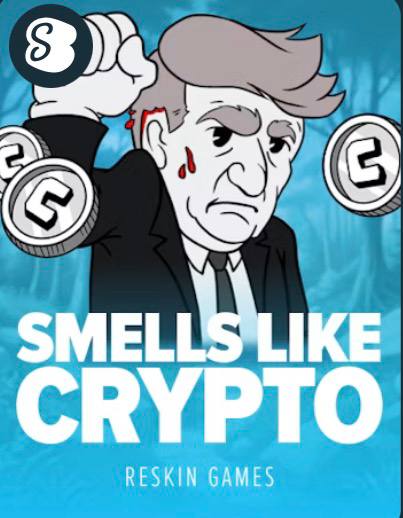
 Case 01
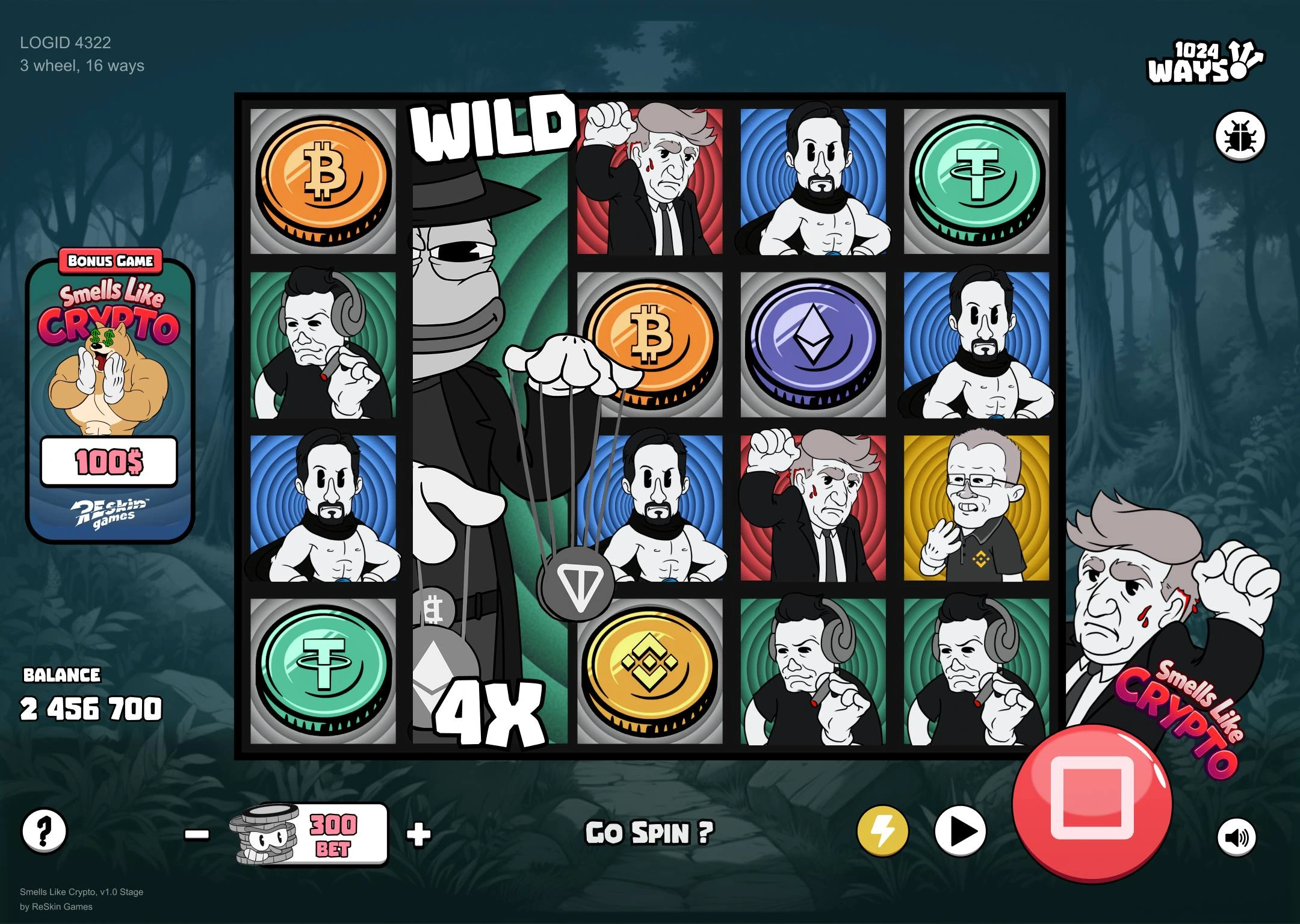
Crypto-themed slot visual package: screens, backgrounds, symbols, mascot, UI, system windows and win states.
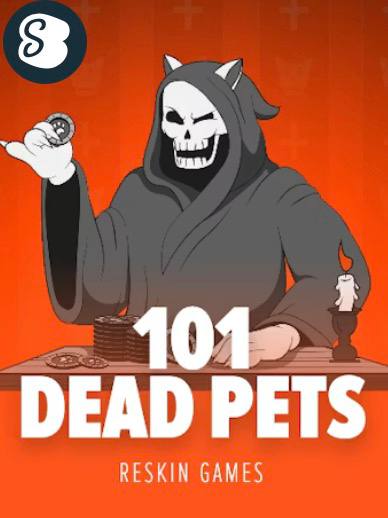
View case → Case 02
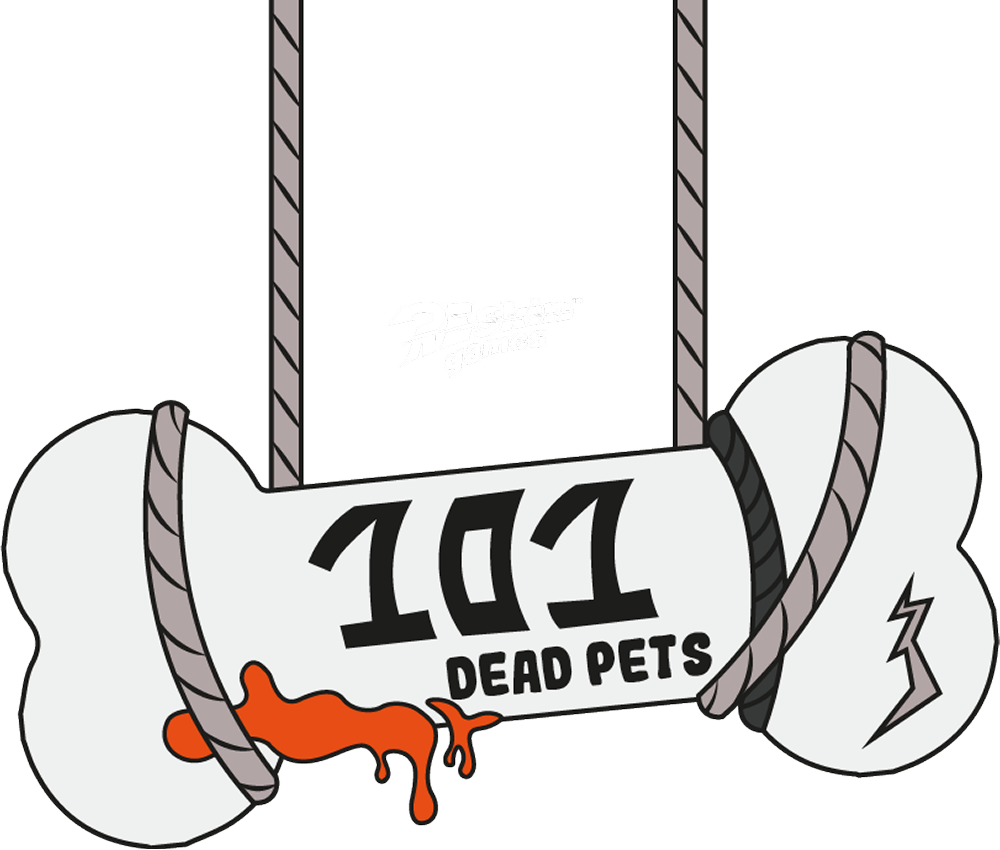
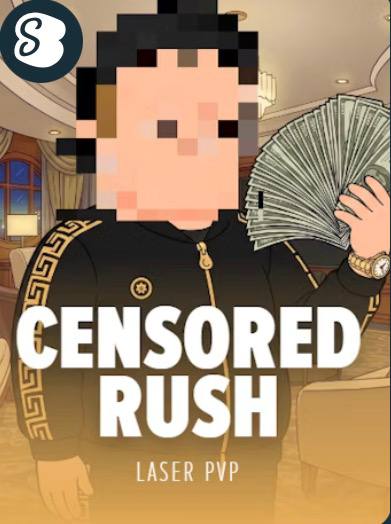
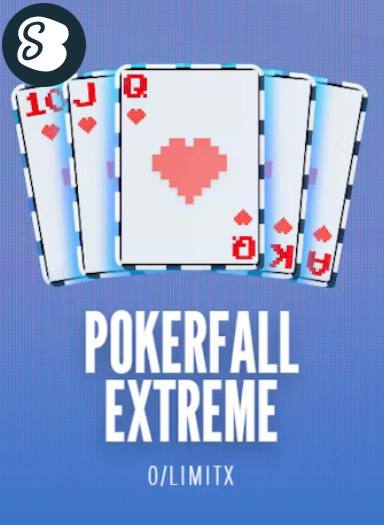
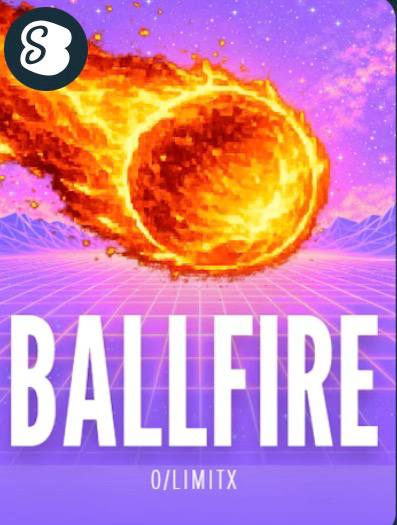
Cartoon-horror slot visual package: main screen, pet characters, UI, bonus entry, win states and animation-ready materials.
View case → Case 03
Full-cycle slot development: pop adult arcade direction, base screen, bonus screen and a visual package ready to expand with more materials.
View case →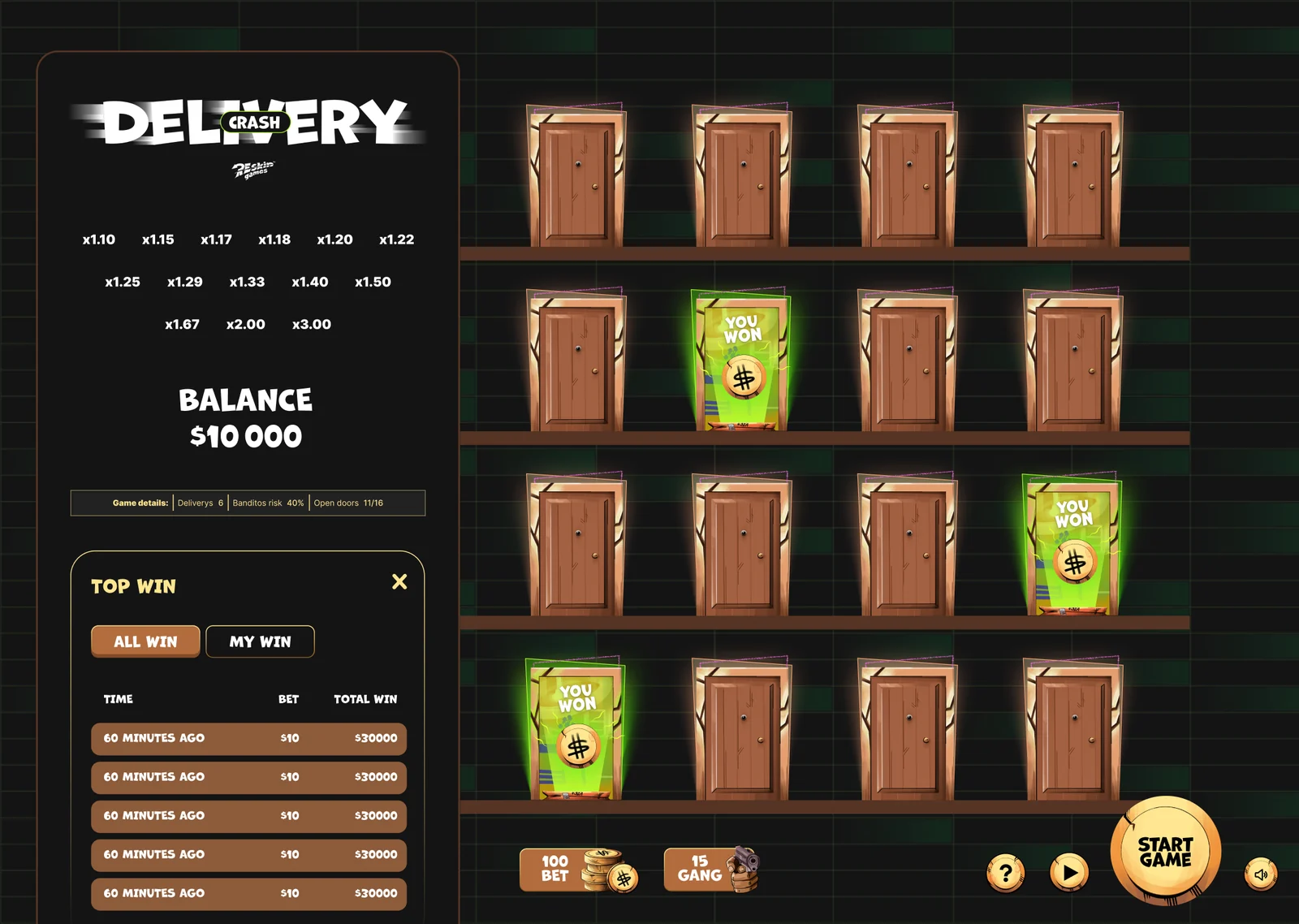 Case 04
Visual concept for a Mines-style delivery game: a food courier delivers orders to apartments while avoiding doors hiding bandits.
View case → Case 05
Visual slot concept in a Mexican fiesta and Día de Muertos direction: desktop main screen, bonus screen, character, symbols and UI mood.
View case → Case 06

Licensed IP visual case for an animated-series slot: logo, desktop and mobile main screens with character-led cartoon art and UI direction.
View case →Across these projects, the ReSkin Games production network handled the full production scope — including visual direction, symbols, UI, animation and handoff materials for development.
The main production brand of the group with published game projects on Stake.
Partner development team and provider-side brand inside the ReSkin Games production network.
Experimental provider-side brand by ReSkin Games focused on fast instant games and lightweight mechanics.
After project completion and final payment, the client receives rights to the agreed art package: final graphics, source files, exported assets, UI materials and Spine files when included in scope. The exact delivery package and usage terms are fixed in the contract.
Yes, if handoff requirements are agreed before production. We prepare folder structure, file naming, exports, UI materials, Spine projects and notes so another team can understand, receive and integrate the assets.
The package usually includes layered source files, PNG/WebP exports, UI layouts, folder structure, file naming, handoff notes and Spine projects or animation exports when animation is included in scope.
Yes. We need source materials, screenshots, references, old assets or a description of the visual rules. Before full production, it is better to approve a pilot art pack to check style, readability and detail level.
This can happen: integration may reveal requirements around sizes, layers, animation states or in-game readability. It is better to agree the post-integration review format in advance: which fixes are included in scope and which are a separate step.
Yes. We can work under NDA and avoid publishing visuals, source files, process materials, client name or ReSkin Games involvement when the client needs confidentiality.
Yes. AI concepts, moodboards, an old game or rough references can be used as input. The final result is still prepared as a production-ready art package: with style, layers, readability and exports.
Changes are possible, but they should be fixed separately: which assets, screens or states are added, how this affects timeline, budget and the delivery package. This keeps production controlled.
Game logic, math/RTP, frontend and backend integration, API, code-based VFX, final build, certification, audio and casino-platform deployment are separate by default unless these stages are included in an agreed scope.
Yes. If your team already has an engine, backend or internal developers, ReSkin Games can prepare the visual production package separately: visual direction, symbols, backgrounds, UI, Spine-ready assets, animation exports and handoff notes for integration.
Send a reference, existing game, AI concept or brief — we’ll estimate visual scope, animation scope if needed and the handoff package format.