Full-Cycle Development
ReSkin Games takes responsibility for the full project development cycle — from GDD preparation to the production-ready build and complete source package delivery.
ReSkin Games is a slot game development company for iGaming studios, providers and operators. We take a project from an original concept, client brief, existing game or market reference to game design, math/config planning, art, animation, integration, QA and final handoff.
Extra production capacity for a new slot title or a parallel delivery pipeline.
Expand the game portfolio without building a full internal team for every title.
Custom or branded slots for an audience, campaign, brand or market opportunity.
Creator-led slot games for a personal brand, community, promo campaign or exclusive launch.
We can start with an original idea, an existing brief, an old game that needs a reskin, or a reference slot. Then we turn it into a reference-based slot development plan: mechanics, visuals, technical requirements, timeline and deliverables.
Send a reference link or an old slot — we’ll review the slot game mechanics, visual scope, technical dependencies and likely production timeline.
These principles define how ReSkin Games runs full-cycle development: from GDD and parallel production streams to reviews, integration, QA and source delivery.
ReSkin Games takes responsibility for the full project development cycle — from GDD preparation to the production-ready build and complete source package delivery.
Work is organized to make maximum use of parallel task execution. While the Game Design team prepares documentation, the technical team studies the project infrastructure and the art team starts developing the visual direction.
After production starts, several departments work simultaneously and constantly exchange results.
Production is built around continuous handoff between departments. Every approved asset immediately moves to the next production stage.
This reduces idle time between departments and allows integration to start much earlier than the completion of the full art package.
Each key stage includes internal review and approval checkpoints with the client. This helps identify potential issues early and reduces the risk of late-stage changes.
After the project is complete, the client receives not only the finished game, but also the full set of materials created during production.
The average production duration for one game is up to 8 weeks. The process is structured so that as many workstreams as possible can run in parallel.
The team analyzes the selected reference game and forms a complete understanding of the project scope and future development structure.
This stage runs in parallel with Discovery and Pre-production. Duration depends on documentation quality and the complexity of the provided infrastructure.
After analysis, the team prepares production documentation. Once approved, the project moves into core production.
The largest development stage: several production directions run in parallel and continuously synchronize with each other.
Ready materials are continuously passed to Animation & Integration without waiting for the full production stage to finish.
Once the first materials are ready, integration begins: visuals, animation, audio, math, frontend and backend are assembled into the game build.
After the main build is assembled, internal testing begins. All detected defects are fixed before the project is handed to the client.
The client receives a working version of the game. Feedback is collected across the key product layers.
The final stage resolves approved feedback, stabilizes the build and prepares the project for delivery.
The scope defines the main production modules of the project: game design document, slot game mechanics, slot game math design, art, animation, audio, frontend/backend integration and QA. The exact backend scope depends on the client infrastructure.
The game is developed as a reference-based clone: core logic, mechanics, pacing, bonus logic and user experience stay as close as possible to the selected reference game unless agreed otherwise.
Development of the full mathematical model and game configuration package for integration.
Every finished asset passes internal review before moving to the next production stage.
Programmatic animation for UI, windows and screen transitions is handled on the frontend side.
Development of the complete audio layer for the project.
Full client-side development and integration of all game materials into a working frontend.
The backend scope depends on the client infrastructure, engine and API.
Full internal testing cycle before the project is handed to the client.
We can estimate a slot from an idea, brief or reference: production effort, key risks, backend/API dependencies and a realistic delivery plan.
The project includes several required approval points. They help lock key decisions on time, reduce late-stage changes and keep production controlled.
After Pre-production, the client receives the Game Design Document. This gate approves game structure, core mechanics, bonus features, game states and the production direction.
After the first concepts, the visual direction is approved: art style, overall visual language, logo, UI and reference-game alignment level.
During Core Production, intermediate results are shared with the client: main symbols, UI elements, game screens, Spine animation examples and first integrated scenes.
After main integration, the client receives a working game version. Feedback is collected in one list and processed during the final development stage.
After approved improvements are complete, the client receives the final production-ready game version. Once approved, the full source package is delivered.
After final approval, the project is packaged for integration, transfer and future support. The exact backend and integration scope depends on the selected technical setup.
Tested game build, configured package and approved final fixes.
Graphic source files, Spine projects, exported assets and audio materials where included.
Frontend source code, backend source code if included, game configs, API notes and integration documentation.
GDD, math model, configuration notes, feature logic and technical documentation.
QA notes, processed feedback list, regression summary and final handoff package.
Some parts of an iGaming launch belong to the operator, platform or legal/compliance partners. They can be discussed separately, but they are not part of the standard full-cycle production scope by default.
Casino/operator licenses, legal entity setup and regulatory structure are handled outside the production scope.
Lab testing, certification process and regulator approval depend on the target market and are scoped separately.
Traffic, media buying, affiliate campaigns, influencer campaigns and user acquisition are not included in game development.
Payments, KYC, player accounts, antifraud, support and live casino operations remain on the platform/operator side.
Backend and integration work depends on the client’s technical setup. A standalone backend is estimated as a separate scope.
Single standalone assets outside a production package are usually not our main working format.
We’ll help separate game production from backend, legal and operational scope, so responsibilities are clear before production starts.
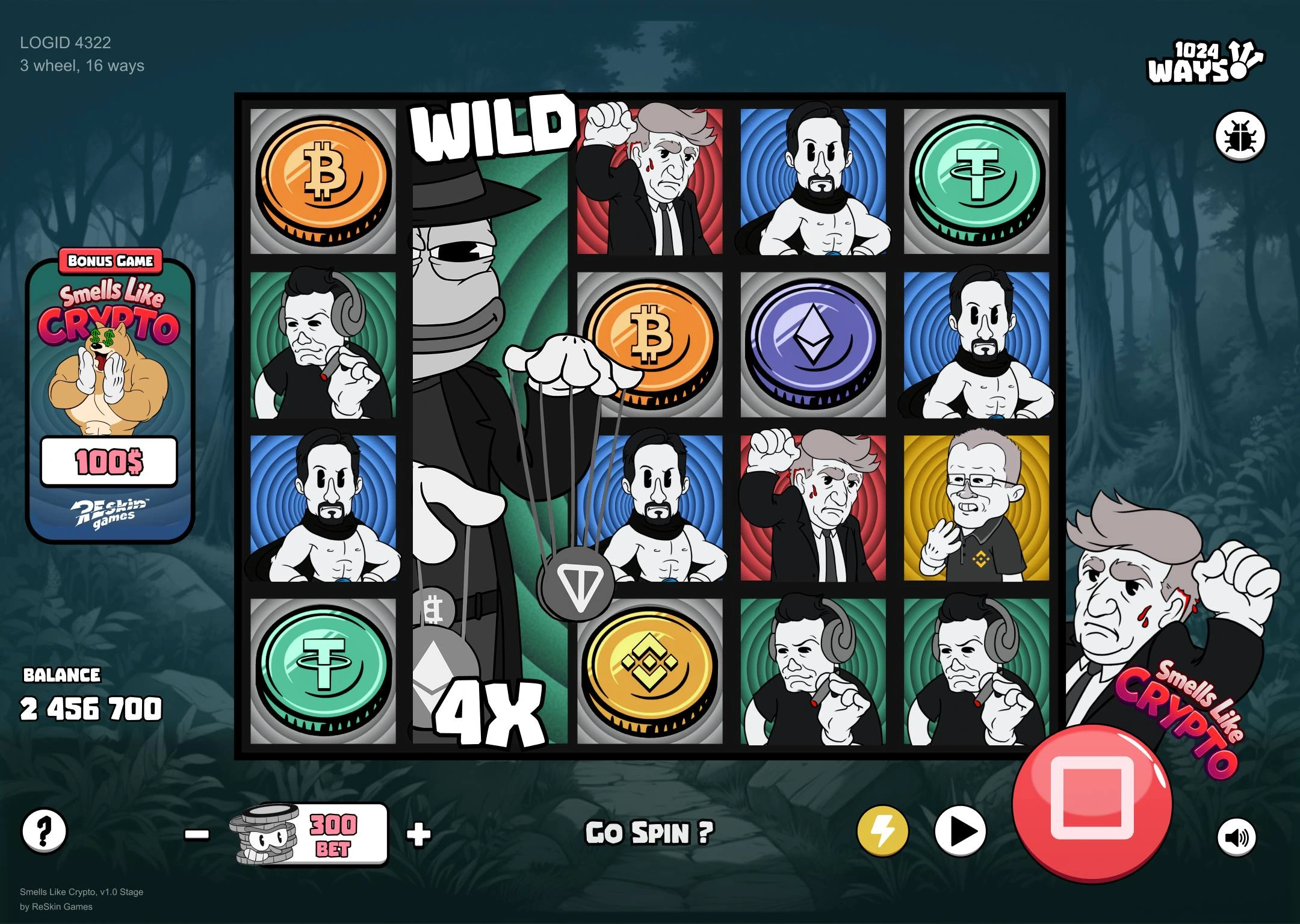
Three ReSkin Games cases with different levels of release and detail: a published slot, a cartoon-horror project and a draft full-cycle slot.
 Case 01
Published ReSkin Games slot: game screen, symbols, UI, win states, animation materials and sound layer.
View case → Case 02
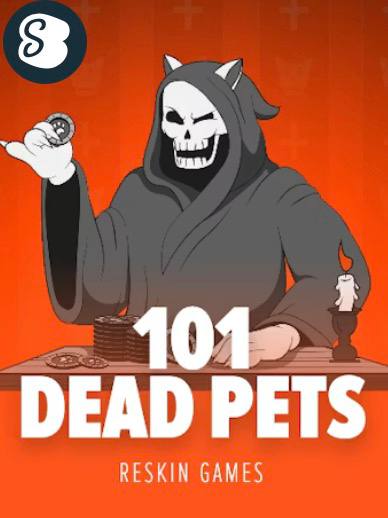
Cartoon-horror slot: visual system, game screen, symbols, UI, bonus states, win scenes, Spine animation and SFX.
View case → Case 03
Draft full-cycle slot: pop adult arcade direction, base screen, bonus screen, UI, symbols, animation and sound.
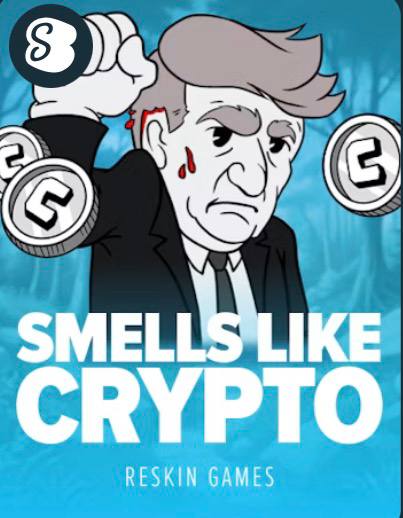
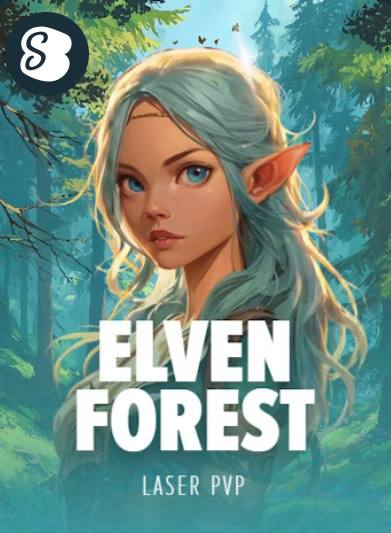
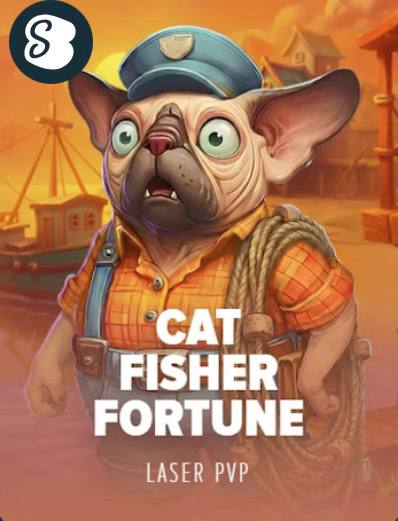
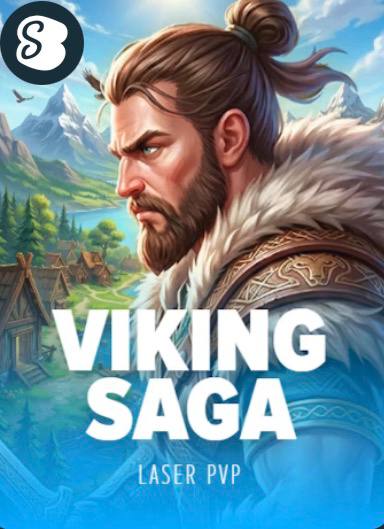
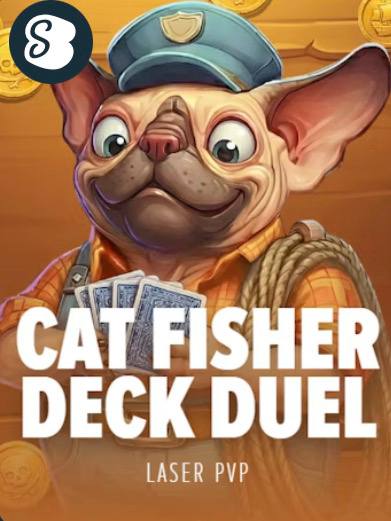
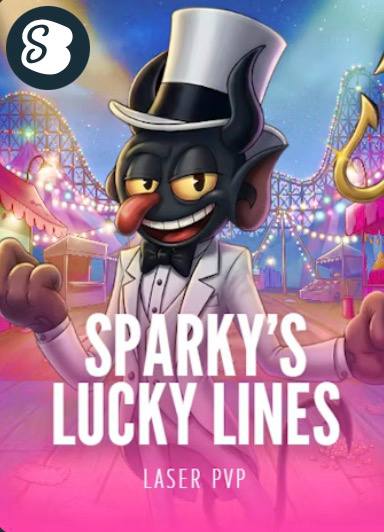
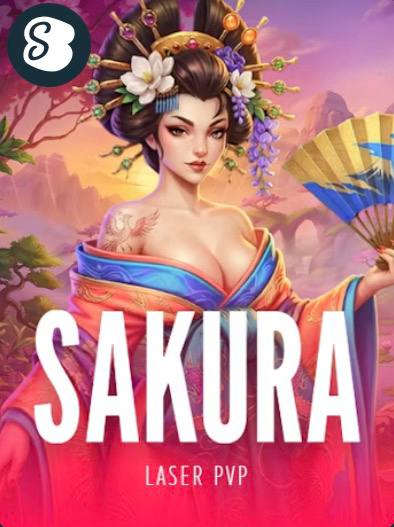
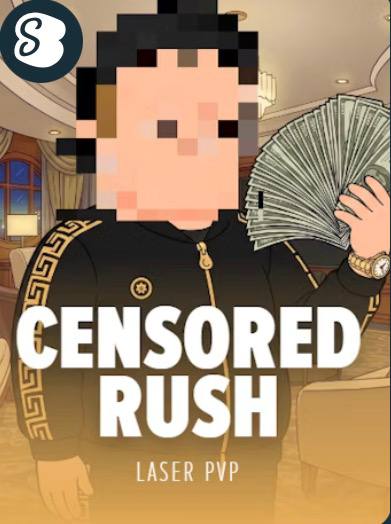
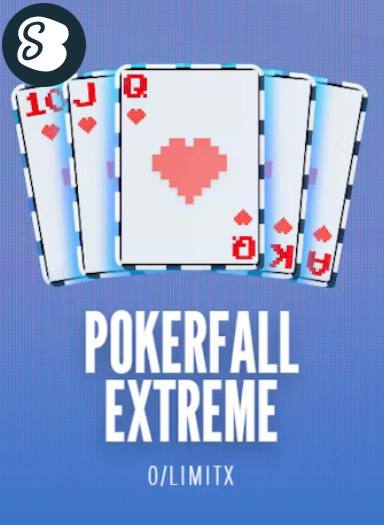
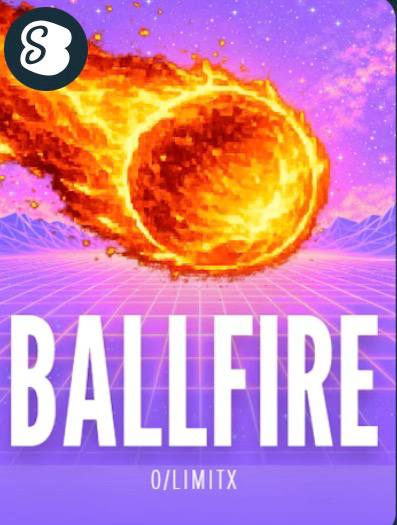
View case →Published slots and fast game concepts from ReSkin Games, Laser PvP and 0/LimitX.
The main production brand of the group with published game projects on Stake.
Partner development team and provider-side brand inside the ReSkin Games production network.
Experimental provider-side brand by ReSkin Games focused on fast instant games and lightweight mechanics.
After project completion and final payment, the client receives rights to the agreed result: the finished game, art, animation, code, game configurations, documentation and other materials included in the contract. The exact delivery package, usage terms and restrictions are fixed before production starts.
No, if full handoff is part of the project from the start. We prepare the materials so the slot can be supported by your team or another vendor: source files, exports, configurations, file structure and integration notes. Support from our side can be agreed separately, but it should not be the only way to continue the project.
The client usually receives the final build, source materials, exported assets, Spine projects when included, code, game configurations, GDD, math materials, QA notes and handoff documentation. The exact package depends on the approved scope.
Then we start with a technical review: documentation, game events, wallet and session flow, build requirements and configuration formats. After that we separate game-production work from platform work and fix the risks before production.
The certification lab and regulatory approval stay on the client, platform or operator side. We do not replace the lab, but we can prepare the build, GDD, math notes, QA materials and documentation so the client team has a cleaner process.
First we identify the source: game logic, integration, platform, configuration or a change outside the approved scope. The fix format, response time and any support period should be agreed before the project starts, so there are no grey zones after delivery.
Yes. We can work under NDA and avoid publishing the project, visuals, source files, process materials, client name or ReSkin Games involvement when this is required by the client agreement.
Changes are possible, but they should be fixed separately: what changes, how it affects timeline, budget and the delivery package. This keeps production from turning into uncontrolled endless revisions.
Yes. We can start from an idea, project note, old game, market reference or rough concept. The first step is to turn the input into a clear scope: mechanics, visuals, technical dependencies, timeline and handoff package.
ReSkin Games can cover full-cycle slot production: GDD, math/config planning, art, UI, Spine animation, frontend/backend integration, QA and handoff. If the client only needs visuals, that can be scoped separately through visual production.
We’ll prepare a production scope and clarify whether the project needs full-cycle development, visual production or a smaller reskin scope.